

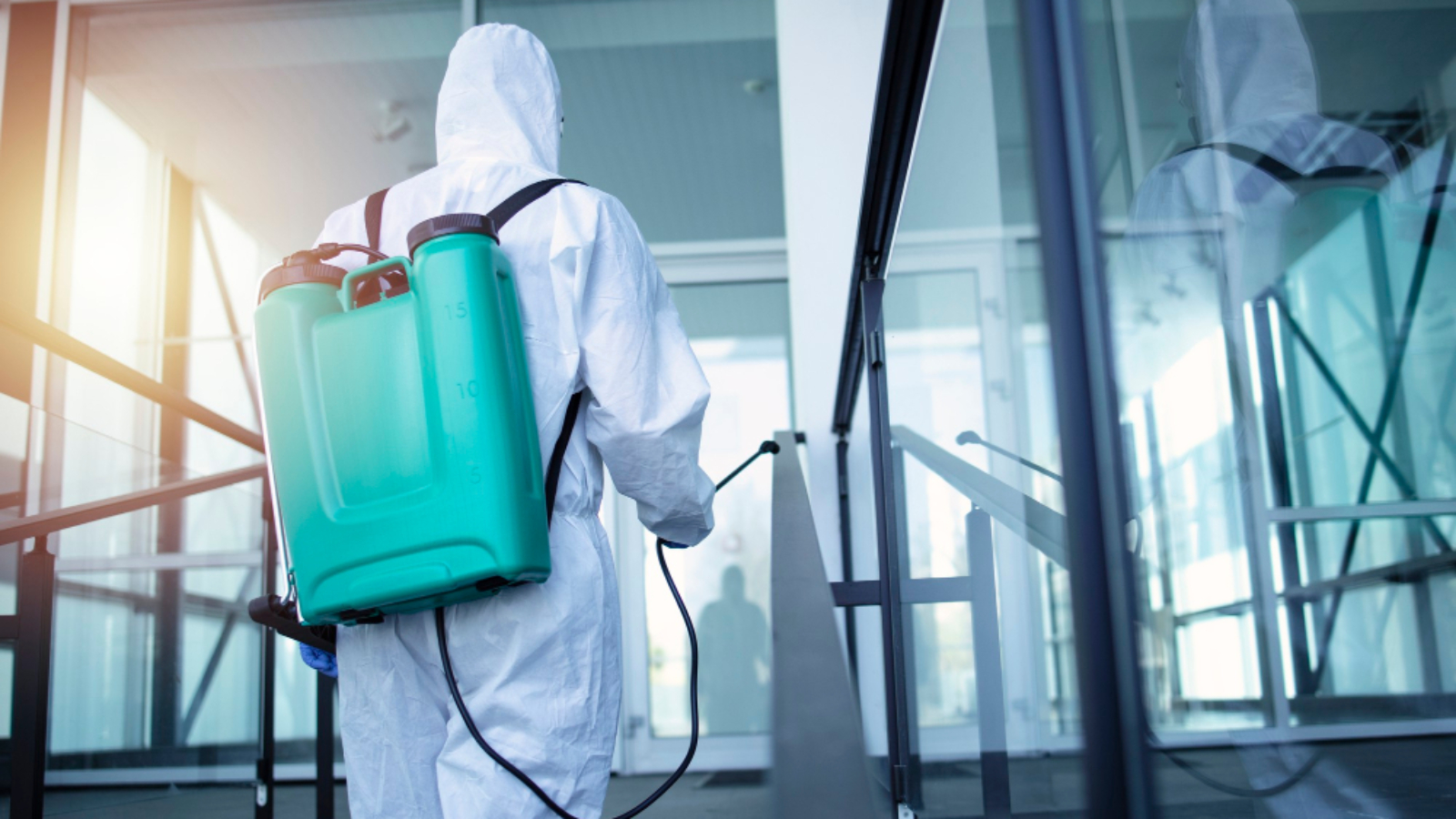
Infection control is paramount in environments like healthcare facilities, schools, and hospitality venues, where the presence of pathogens can lead to outbreaks that affect both employee and public health. This article explores the vital role professional cleaning services play in maintaining sanitary environments, thereby reducing the spread of infections and ensuring safety for all occupants.
Professional cleaning companies are equipped with specialised training and knowledge of infection control protocols that go beyond standard cleaning practices. Their teams understand the importance of using the correct cleaning agents and methods to effectively eliminate germs and bacteria. For instance, they often employ hospital-grade disinfectants that have been proven to kill a broad spectrum of pathogens, including viruses and bacteria that are resistant to common cleaning solutions. This level of expertise is critical in healthcare settings, where the risk of infection is significantly heightened.
In schools, maintaining cleanliness is not just about aesthetics; it directly impacts students’ health and academic performance. Professional cleaners conduct thorough disinfecting of high-touch surfaces—such as desks, door handles, and shared equipment—on a regular basis. By minimising the presence of germs, they help create an environment where students can thrive without the constant threat of illness. This is especially important in elementary schools, where children are more susceptible to infections due to their developing immune systems and behaviours that promote the spread of germs.
Healthcare facilities, such as hospitals and clinics, have specific requirements for cleanliness and sanitation that are mandated by health authorities. Professional cleaning services are trained to adhere to these strict regulations, ensuring that every corner of the facility meets the highest standards of cleanliness. This includes implementing a detailed cleaning schedule that specifies when and how each area should be cleaned. Regular audits and compliance checks help maintain these standards and reassure patients that their safety is a top priority.
In the hospitality industry, where guest satisfaction hinges on cleanliness, professional cleaning services play an equally critical role. Hotels and restaurants must ensure that their premises are not only visually appealing but also hygienic. This involves deep cleaning procedures, including the use of advanced techniques such as electrostatic spraying, which allows for comprehensive disinfection of surfaces without requiring extended drying times. By maintaining high cleanliness standards, hospitality businesses can build customer trust and loyalty, leading to positive reviews and repeat business.
Finally, the integration of technology in cleaning practices enhances the effectiveness of infection control efforts. Advanced cleaning equipment, such as UV-C disinfection devices, can target areas that are difficult to reach with conventional cleaning methods. Professional cleaning companies that invest in these technologies are better positioned to provide superior service and significantly reduce the risk of infection across all environments. In a world increasingly focused on health and safety, the role of professional cleaning in infection control is more critical than ever.
Leave A Comment