

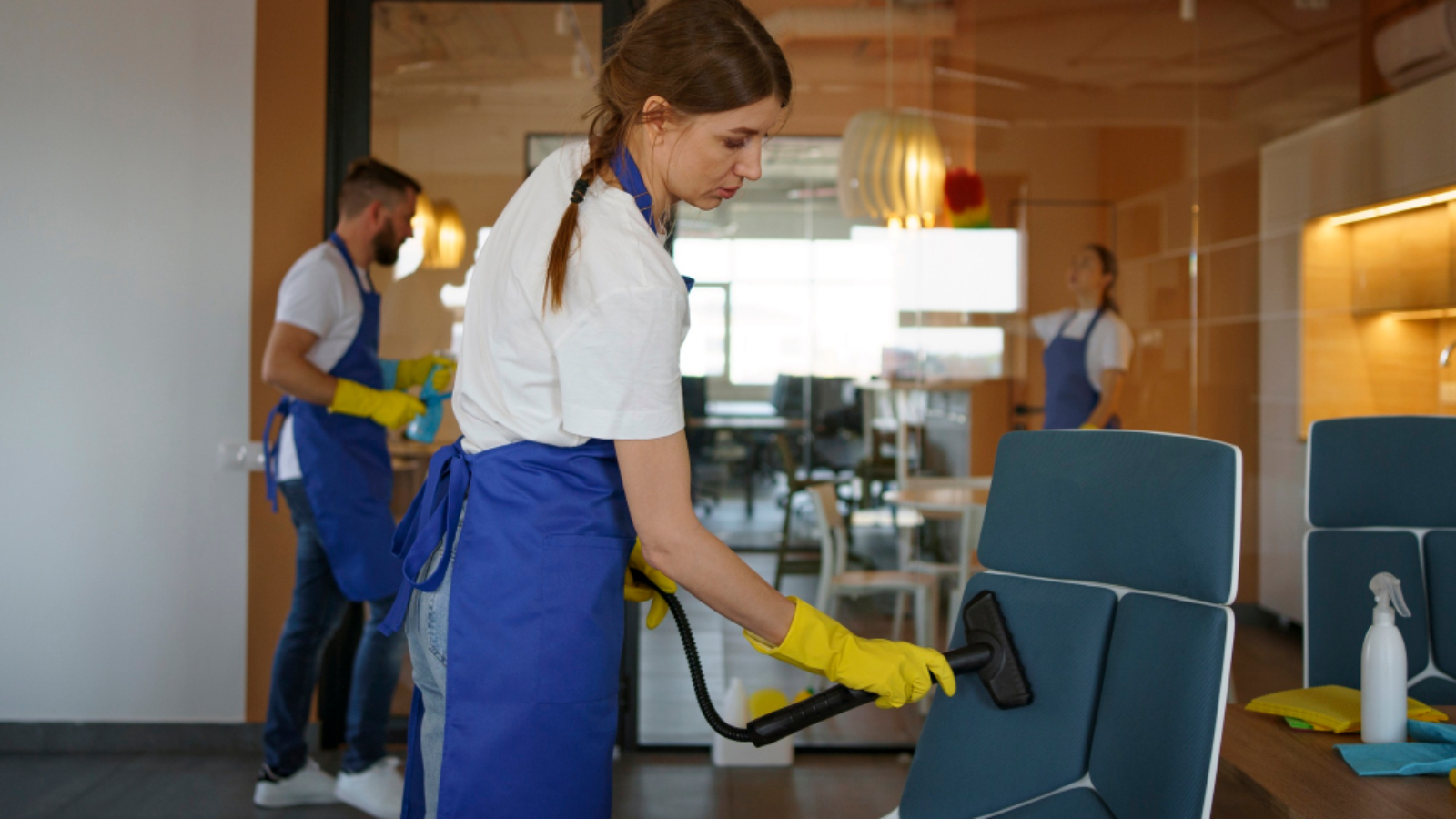
Establishing and adhering to regular cleaning schedules is essential for maintaining a hygienic and welcoming environment in various settings, from offices and schools to healthcare facilities and communal spaces. This article delves into the numerous advantages of implementing systematic cleaning routines, highlighting their impact on health, safety, productivity, and overall satisfaction.
Regular cleaning schedules ensure that all areas within a facility receive consistent attention, which is crucial for maintaining cleanliness and preventing the accumulation of dirt, dust, and allergens. In environments like schools and offices, a clean space reduces the risk of illness, as germs and bacteria can easily spread in neglected areas. By committing to a structured cleaning routine, organisations can significantly decrease absenteeism due to sickness, ultimately promoting a healthier workforce and a more productive environment.
In healthcare facilities, adhering to strict cleaning schedules is not just beneficial—it is imperative. Regular disinfection of surfaces, especially in high-traffic areas and patient rooms, helps control the spread of infections and ensures compliance with health regulations. For example, routine cleaning of waiting rooms, examination areas, and restrooms can prevent the outbreak of healthcare-associated infections (HAIs). By prioritising cleanliness, healthcare facilities demonstrate their commitment to patient safety and well-being, which is essential for building trust with patients and their families.
Another advantage of regular cleaning schedules is the enhancement of a facility’s overall appearance. A clean, well-maintained environment creates a positive first impression for visitors, clients, and employees. In the hospitality sector, for instance, cleanliness directly influences customer satisfaction and retention. Guests are more likely to return to a hotel or restaurant that prioritises cleanliness, as it reflects professionalism and attention to detail. By implementing regular cleaning routines, businesses can improve their reputation and encourage repeat business.
Moreover, regular cleaning schedules contribute to the longevity of facilities and their assets. Dust, grime, and neglect can lead to wear and tear on furniture, fixtures, and equipment, resulting in costly repairs or replacements. For instance, a well-maintained carpet through consistent cleaning can extend its lifespan, saving businesses money in the long run. By investing in regular cleaning, organisations protect their assets and ensure that their environments remain appealing and functional for years to come.
Creating and maintaining a cleaning schedule fosters accountability among staff members. When cleaning tasks are clearly outlined and scheduled, team members understand their responsibilities and can take pride in maintaining a clean and orderly environment. This shared commitment to cleanliness can enhance team morale and create a culture of responsibility and respect within the organisation. Ultimately, regular cleaning schedules are not just about hygiene; they contribute to a more efficient, productive, and enjoyable working or learning environment for everyone involved.
Leave A Comment