

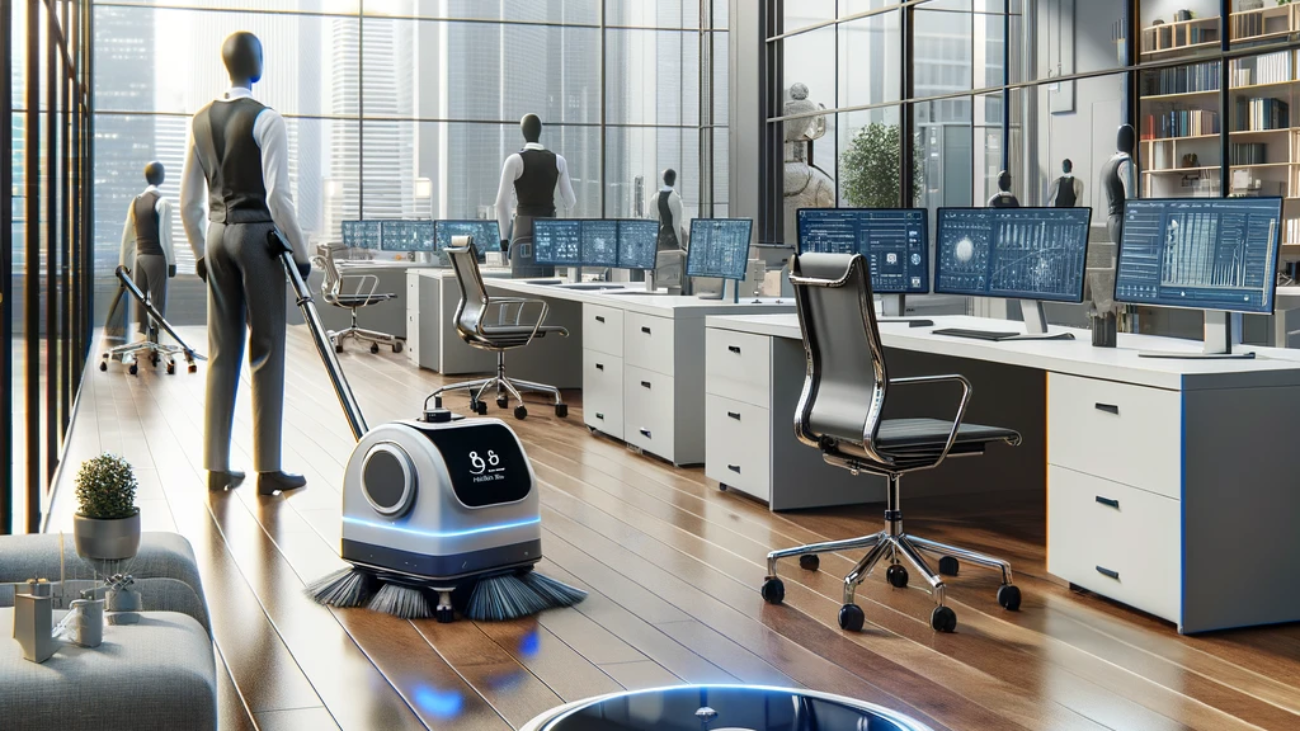
The cleaning industry is rapidly evolving, driven by advancements in technology that enhance efficiency, effectiveness, and overall service quality. This article explores the various ways in which technology is transforming cleaning practices across different sectors, from commercial spaces to healthcare facilities, ultimately leading to improved outcomes for both clients and cleaning service providers. One of the most significant advancements in the cleaning industry is the introduction of automated cleaning equipment. Robotic vacuums and floor scrubbers have revolutionised routine cleaning tasks, allowing for consistent results while freeing up cleaning staff to focus on more complex duties. These machines are equipped with sensors and AI technology that enable them to navigate spaces efficiently, avoid obstacles, and even adapt to different surfaces. By incorporating automation into their cleaning processes, companies can achieve higher productivity levels and reduce labour costs while ensuring a thorough clean.
In addition to automation, the use of technology in scheduling and management systems has greatly improved the organisation of cleaning operations. Cleaning service providers can now utilise software applications that streamline task assignments, track progress, and manage inventory more effectively. This allows for real-time updates and communication between staff and management, ensuring that all cleaning tasks are completed on schedule and to the highest standards. Such systems also provide valuable data and analytics, enabling companies to assess performance metrics and make informed decisions for future improvements.
Another area where technology plays a crucial role is in the use of advanced cleaning products and equipment. Innovations such as electrostatic sprayers and UV-C light disinfection systems have gained popularity, particularly in high-traffic and sensitive environments like healthcare facilities. Electrostatic sprayers enable even coverage of disinfectants on surfaces, while UV-C technology effectively eliminates germs and viruses without the use of chemicals. By leveraging these advanced cleaning methods, organisations can enhance their cleaning protocols and ensure a safer environment for occupants.
Furthermore, the rise of green technology has led to the development of eco-friendly cleaning products that minimise environmental impact. Many cleaning companies are now adopting sustainable practices by using biodegradable chemicals and reducing water consumption through advanced cleaning equipment. This shift not only benefits the environment but also addresses the growing demand from consumers for greener solutions. By embracing eco-friendly technologies, cleaning service providers can position themselves as responsible and forward-thinking businesses, attracting clients who prioritise sustainability.
Technology enhances training and development within the cleaning industry. Virtual training programs and augmented reality (AR) simulations are being employed to train staff on proper cleaning techniques, safety protocols, and the use of advanced equipment. This modern approach to training not only improves knowledge retention but also ensures that employees are equipped with the skills needed to deliver high-quality cleaning services. By investing in technology-driven training solutions, cleaning companies can enhance employee performance and reduce the likelihood of errors or accidents. Technology is playing an increasingly vital role in the cleaning industry, driving innovation and efficiency in various aspects of cleaning operations. From automation and advanced equipment to sustainable practices and training solutions, technology is helping cleaning service providers improve their offerings and deliver exceptional results. As the industry continues to evolve, embracing technology will be key to staying competitive and meeting the ever-changing demands of clients across all sectors.